


Okay y’all, weather tools for outdoor adventures are the difference between “wow what a perfect day” and “why am I crying inside my soaked sleeping bag at 2 a.m.?”
I’m sitting here in mid-January 2026, still recovering from that late-October trip in the Smokies where I thought “eh it’ll probably hold off” and then spent six hours bushwhacking in sideways rain because I refused to check anything more sophisticated than the little icon on my phone lock screen. Classic me. Anyway.
I’ve become weirdly obsessed with decent weather tools now. Not the $400 pocket weather stations that look like they belong on a Mars rover—those are cool but I’m not made of money—but stuff that’s actually saved me (or at least my dignity) multiple times.
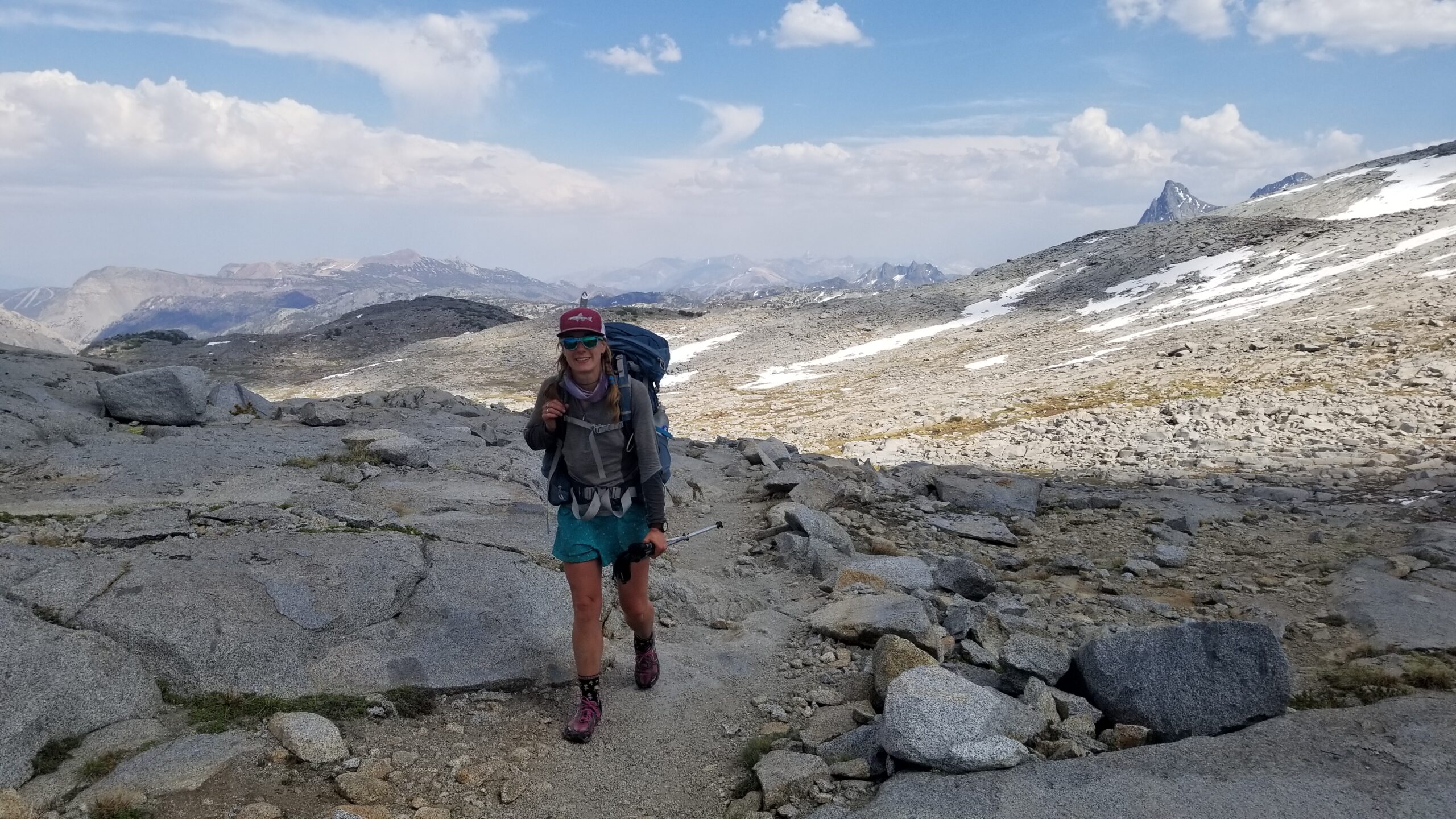
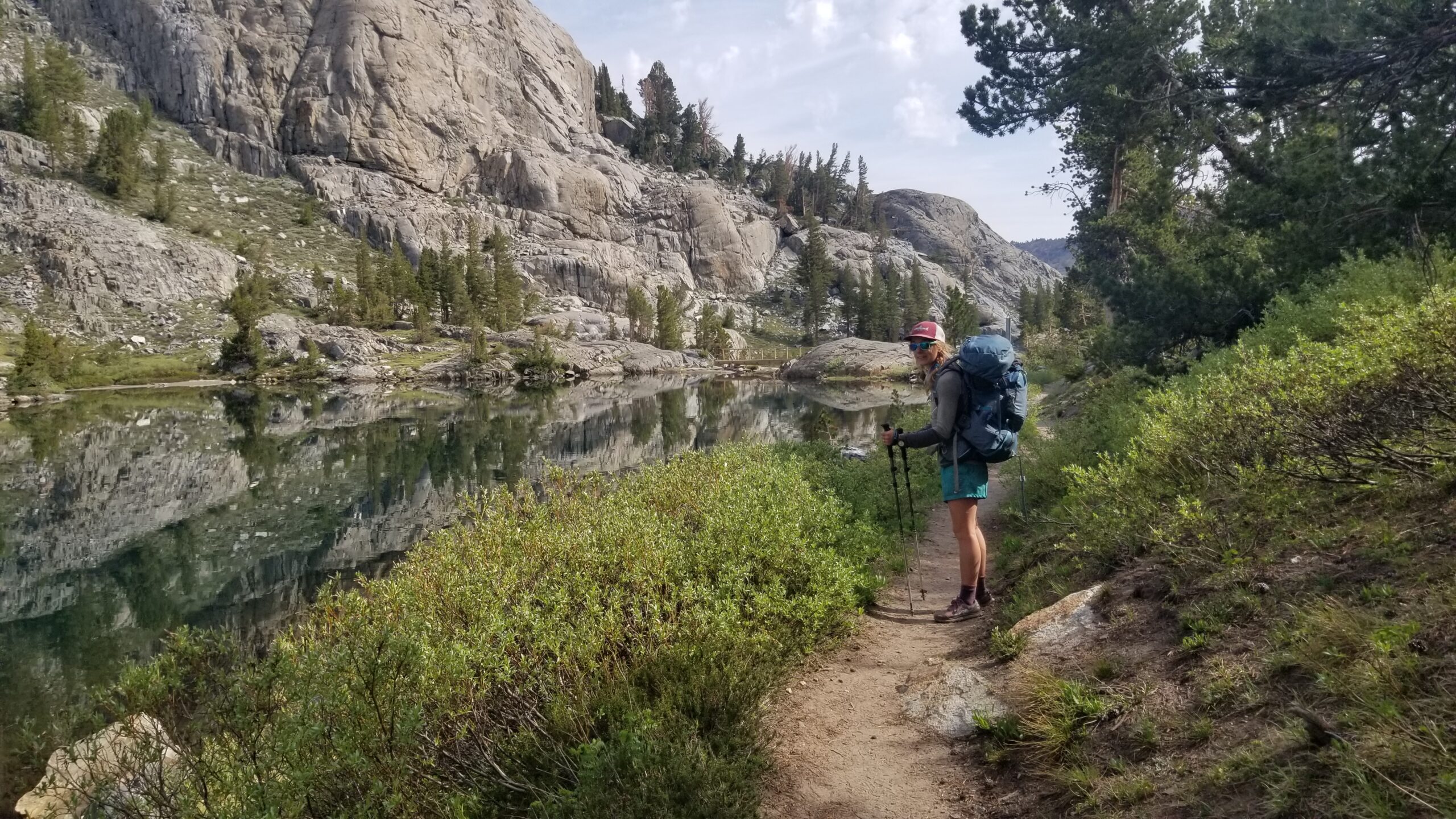
(Those capture that soaked, defeated bushwhack energy pretty well—imagine the sideways rain cranked up to 11.)
And for the dramatic contrast you nailed:
One side bliss, the other side… yeah, the 2 a.m. crying-in-the-bag special.
Why I Stopped Trusting Just My Phone (Mostly)
My iPhone weather app lied to me so hard in 2024 that I still take it personally.
I was on a section of the Appalachian Trail near Hot Springs, NC. Forecast said “chance of showers after 4 pm.” I figured I’d be at camp by then. At 2:15 the sky turned the color of wet concrete and it dumped like someone forgot to turn off the hose. My $12 poncho from Amazon turned into a sad plastic bag in about nine minutes. Phone was at 8% because I’d been taking too many pictures of mushrooms. Lesson learned.
Now I carry at least two independent weather sources plus a couple analog backups.
My Current Weather Tools Kit for Hiking & Camping (January 2026 Edition)
- Basic analog altimeter/barometer (I use a little Suunto Core—yeah it’s old-school but the thing still works when my phone is dead or the cell signal is nonexistent) → https://www.suunto.com/Products/sports-watches/suunto-core/
- Pocket weather radio + NOAA alerts (Midland ER310 is my go-to because it has the hand-crank + solar + USB charging for the phone) → https://midlandusa.com/products/er310-emergency-crank-radio
- Cheap but surprisingly decent handheld anemometer (I got a Kestrel 1000 off eBay used for like $45—tells wind speed and temp, helps me decide whether setting up the tent in that exposed ridge spot is actually suicidal) → General info: https://kestrelinstruments.com/
- Radar & forecast apps combo I actually trust • RadarScope (the lite version is fine) – obsessively refreshing the reflectivity loop has become my new nervous tic • Windy (the ECMWF model view) – European model tends to nail mountain weather better for me than the American ones → https://www.radarscope.app/ → https://www.windy.com/
- Tiny backup thermometer/hygrometer clipped to my pack (the $9 Govee Bluetooth one—pairs to my watch so I can see humidity without digging the phone out) → https://us.govee.com/
The Embarrassing Time a $7 Rain Gauge Saved My Trip
Last summer in Colorado I laughed at myself for packing a little plastic rain gauge. “Who even uses these anymore?” Past Me scoffed.
Then we got hit with a freak afternoon monsoon that dropped 1.8 inches in 45 minutes. The gauge filled up so fast I could literally watch the water line climb. That visual made me decide to bail on the high pass and drop back to the lower trail. Saved us from a really sketchy river crossing that later turned into Class IV whitewater according to the ranger the next day.
Sometimes the dumbest-looking tool is the one that makes the decision for you when your brain is tired and trying to optimism-bias its way through danger.
Quick Reality-Check List Before I Leave the Car
- Last NOAA weather radio test (I do the weekly test tone like it’s a ritual now)
- Download offline maps + recent satellite layer on Gaia GPS
- Check Windy’s “Thunderstorm” layer and CAPE values (if CAPE > 1000 in mountains I get twitchy)
- Barometer trend—falling fast = nope.jpg
- Extra dry socks in the hipbelt pocket (not weather gear but honestly more important than half this list)

Gossamer Gear Hip Belt Pocket Waist Belt Gossamer Gear Hip Belt …
Final Thoughts (aka Get Your Shit Together Sooner Than I Did)
Look, I’m still the guy who forgets to charge things and thinks “it won’t rain THAT much.” But having a couple reliable weather tools for outdoor adventures has turned my trips from coin-flip disasters into mostly-manageable chaos.
If you only buy one thing after reading this rambling mess, get a hand-crank NOAA weather radio. When the cell towers go out and the sky turns bruise-purple, that little red box is the only voice telling you what’s actually coming.