


Alright listen — learning Read Your Local Weather is one of those things that sounds way more intimidating than it actually is, but I swear the first like 47 times I tried I was convinced a giant red blob was about to murder my zip code when it was literally just heavy rain moving over the next county.
I’m sitting here in my messy apartment (January 10, 2026, windows rattling because the wind is being extra today), phone propped against an empty LaCroix can, staring at the WeatherBug radar loop like it owes me money. And yeah… I still mess it up sometimes. But I’ve gotten better. Mostly by being repeatedly humiliated by meteorology Twitter.
Here’s what I wish someone had told me when I was screenshotting radar images at 2 a.m. yelling “WHAT EVEN IS THIS”
First: Colors are lying to you (kinda)
The classic thing everyone learns day one: • Green = light rain • Yellow = moderate • Orange/red = heavy • Purple/magenta = basically biblical
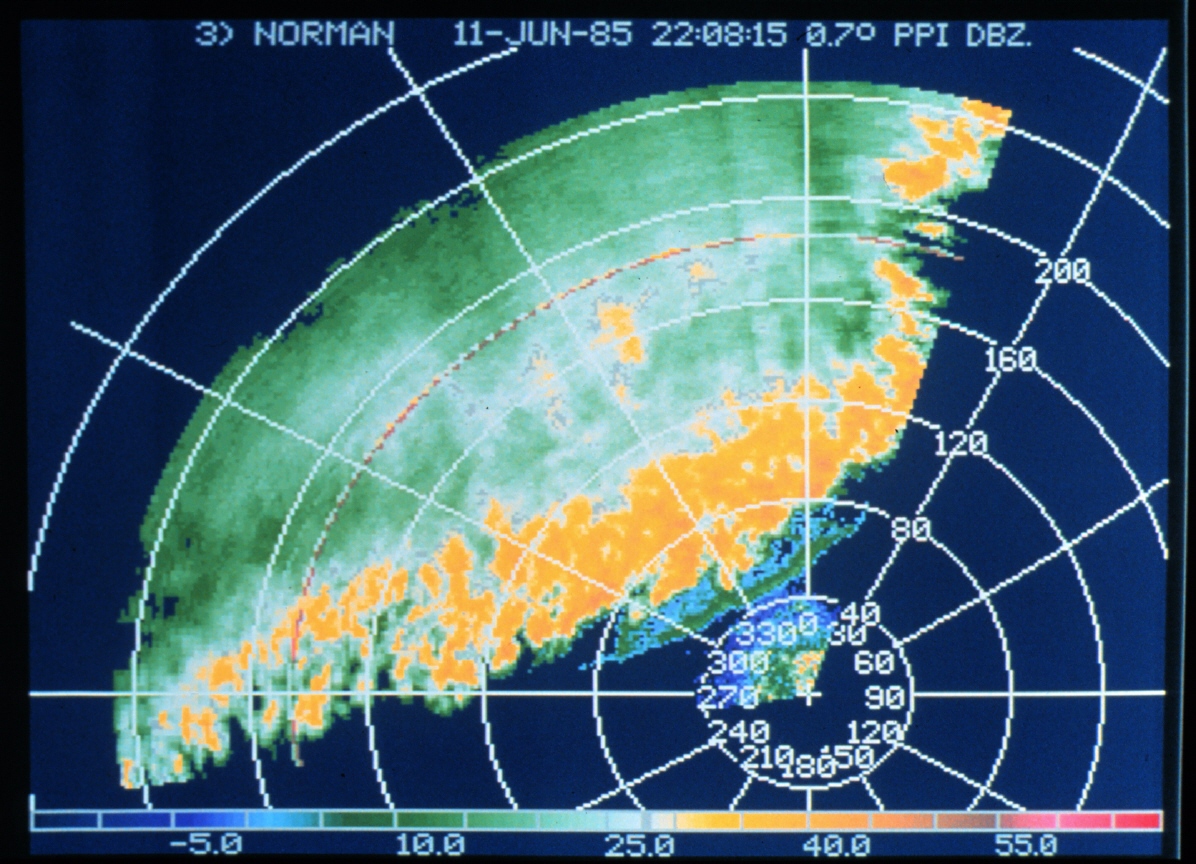
Here’s a visual take on that classic radar meteorology dilemma: a dramatic purple/magenta core on reflectivity (not rainfall rate) that could be golf-ball-sized hail… or birds… or something weirder.
These radar images show intense high-reflectivity cores (often purple/magenta on many color scales, indicating dBZ values >55–70+), exactly the kind of signature that sparks the “hail or not hail?” debate.
Classic Hail Signature (Purple Core = Potentially Severe)
High reflectivity like this frequently means large hail:
Birds on Radar (The Giant Flock Surprise)
Massive migrating bird flocks often appear as sudden, intense, purple-ish blooms that move in weird, non-storm-like patterns:
WHAT A FLOCK! Doppler radar is detecting massive flocks of …
Anomalous Propagation / Ground Clutter (AP – The Atmospheric Trickster)
When the atmosphere bends the beam oddly, you get fake “purple” echoes from ground objects, towers, or even insects:
If you have a radar app that you use frequently and you’ve noticed …
And of course, the reflectivity color scale itself that makes purple the scary color for extreme returns:

Understanding Doppler Radar: Just What Do All Those Colors Mean …
So next time you see that ominous purple blob on your local radar… enjoy the mystery: monster hail, epic bird party, or just the atmosphere gaslighting everyone? 🌧️🐦📡
Real talk: I once spent 20 minutes convinced a purple splotch was a tornado coming for my mom’s house only to find out it was a freaking cell tower reflection during super-inversion conditions. I was that guy in the family group chat.
Good starter resource if you want to go deeper on reflectivity: → NOAA – Understanding Radar Reflectivity
Velocity is where the real juice lives (and where I cried the most)
Once you get past the pretty rain colors, switch to velocity or storm-relative velocity mode.
Read Your Local Weather This is the part that made my brain hurt for months.
Green = wind toward the radar Red = wind away from the radar
When you see a tight little couplet of pure green right next to pure red… that’s a mesocyclone signature. And if it’s tight and persistent and the reflectivity is nice and strong? Yeah… that’s the scary TV voice moment.
I remember summer 2025, there was this random Tuesday night supercell moving through central Illinois. I was refreshing the velocity like a lunatic and saw the hook echo + velocity couplet and texted my buddy:
“bro is this the big one” he replied: “nah that’s just a farmer’s market rotation” …turns out he was right but I still felt very vindicated when it dropped quarter-size hail 30 miles east.
Quick cheat sheet I keep in my notes app (yes I’m that person):
- Tight green-red couplet + strong reflectivity hook = watch for possible tornado
- Broad green area with little red = probably just straight-line wind gusts
- Velocity all over the place with no organization = probably just turbulence / gust front chaos
Best free velocity tutorial I’ve found: → NWS – Radar Velocity Interpretation
My personal radar sins (so you don’t have to commit them)
- Zooming in way too close and thinking every pixel is Armageddon
- Forgetting to check the time stamp on the loop (old data is the devil)
- Trusting the “NowCast” precipitation prediction when it’s clearly drunk
- Not realizing different radars have different range rings and coverage holes (looking at you, western mountain states radars)
Pro moves I’ve slowly collected like Pokémon cards
- Always check multiple radar sites — especially if you’re near a state line. → Try RadarScope if you’re serious (not sponsored, I just love it) → Or free: College of DuPage NEXLAB
- Look at the storm motion vector — if the storm is moving 10 mph toward you vs 60 mph away, very different vibes
- When in doubt… trust the human meteorologist warning polygons more than your own gut at first
Bottom line (because my attention span is dying)
Read Your Local Weather like someone who knows what they’re doing doesn’t mean you never get scared anymore. It just means you get scared about the right things, at the right time, and maybe don’t text your entire family tree at 3:17 a.m. about a “debris signature” that was actually a train.
Anyway. Next time you see that angry red/orange/purple blob on your phone, take a breath, switch to velocity, check th