

I’m sitting here January 12, 2026, it’s like 4-something PM my time but my brain is still on Central because I’ve been doom-scrolling radar loops since that random line of storms decided to wake up Oklahoma again last night. My apartment smells like burnt popcorn (don’t ask) and the window is rattling every time a gust hits. Not even severe weather today—just January being extra moody—but I’ve still got RadarScope open because apparently that’s who I am now.
Doppler radar has basically become my emotional support app.
I used to think “radar” just meant “blobby red thing = bad”. Turns out there’s layers. A lot of layers. And most of them still confuse the hell out of me.
That classic Doppler radar signature—blobs of red/yellow/green stacking up, looking deceptively simple
What Doppler Radar Actually Does (The Version I Can Explain Without Crying)
Normal radar sees precipitation. Doppler radar sees motion.
It shoots microwaves, stuff bounces back, and the frequency shift tells you if that stuff (rain, hail, bugs, debris, your neighbor’s trampoline) is coming toward the radar site or running away from it.
That difference is everything for severe weather.
When you see tight pockets of bright green smooshed right up against screaming red on the velocity product… that’s rotation. That’s often the part where meteorologists start using words like “tornado warned” and I start looking for my bike helmet.
I once spent twenty minutes proudly explaining a “debris ball” to my Discord friends only to realize five seconds later it was literally a flock of birds. I’m still not allowed to talk about radar on voice chat anymore.
Here are the rookie mistakes I still make constantly:
- Thinking every red blob is hail (sometimes it’s just really heavy rain)
- Panicking at inflow notches that are just terrain blocking the beam
- Forgetting the radar is scanning several thousand feet up so sometimes the really nasty low-level spin isn’t visible yet
These radar screenshots show funky-looking features that could easily be misread as inflow notches or velocity couplets when they’re beam-blockage artifacts.
If you want the non-idiot version I usually go back to these two pages:
- NOAA’s pretty decent Doppler basics page → https://www.noaa.gov/jetstream/doppler
- NWS radar signatures cheat sheet that actually saves lives → https://www.weather.gov/source/zhu/ZHU_Training_Page/Radar_Stuff/Radar_Severe_Wx_Sigs/Radar_Severe_Wx_Sigs.html
Three Times Doppler Radar Owned Me
- May 2024 – Saw what I swore was a perfect hook echo on my phone. Drove to Taco Bell. Storm went 7 miles north. Came home to zero damage and a $14 quesadilla I didn’t even want anymore.
- Last spring – Ignored the “three-body scatter spike” because it “looked fake”. Woke up to golf-ball sized hail dents all over my 2012 Civic. Insurance lady was not impressed by my “but the radar didn’t look THAT bad” defense.
- Two nights ago – Watched a squall line train over us for like five hours straight. The base velocity looked like someone rage-painted with lime and magenta. Power blipped 9 times. I now sleep with earplugs AND a flashlight next to the bed like I’m prepping for the apocalypse.

25 Discontinued Taco Bell Menu Items We Miss, and What You Should …
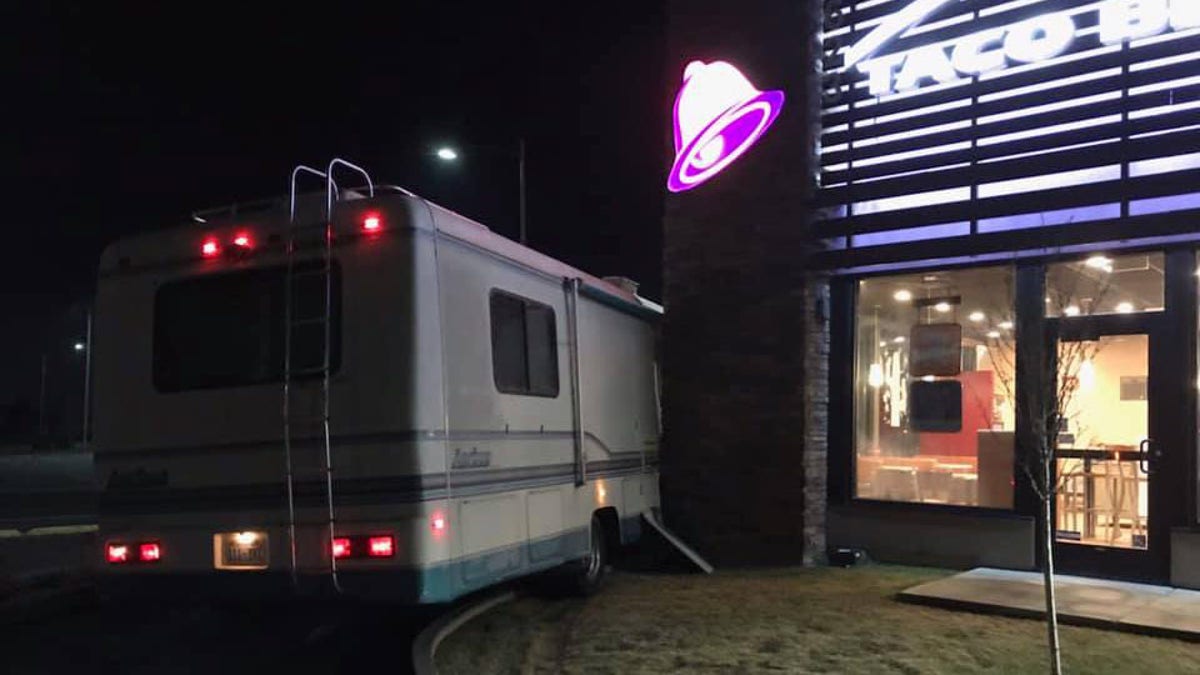
The craziest drive-thru moments of 2019
Stuff I Actually Do Now (Even Though I’m Still Not Good at This)
- Keep three radar sources open because one always glitches when you need it most
- Have the local NWS office Twitter on notifications (yes I know it’s X now, whatever)
- Own an actual NOAA weather radio that’s older than some of my coworkers
- Keep a go-bag by the door with water, a charger, my passport (?), and way too many granola bars
- Still text my mom “everything’s fine” while hiding under a mattress
Look… doppler radar won’t stop the storm. It just gives you maybe 8–15 extra minutes to decide between “run to the closet” and “stand on the porch like an idiot taking video for Instagram”.

 take on reading severe weather.)